Genetics and Chronic Lyme Disease Research
NutriGenetic Research Institute Multi-Phase Research Project (Includes Multiple Award-Winning Posters and Video Materials)
Research Overview
NutriGenetic Research Institute conducted a series of studies on the association between genetic variants (SNPs) and chronic Lyme disease, aiming to explore how genetic polymorphisms affect inflammation, detoxification, immune response, and treatment resistance. All phases utilized 23andMe genomic data and were analyzed in comparison with Phase 3 data from the 1000 Genomes Project.
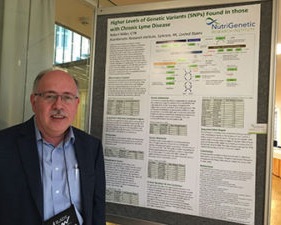
Phase 1 – June 2016 (Award-Winning)
Title:"Discovery of Higher Levels of Genetic Variants (SNPs) in Chronic Lyme Disease Patients"
Presenter:Bob Miller, CTN
Conference:6th European Conference (Helsinki, Finland), International Lyme and Associated Diseases Society (ILADS)
Abstract:192 participants from around the world voluntarily submitted their genomes for comparison with the 1000 Genomes Project. 350 genes involved in mitochondrial function, methylation, neurotransmitter production, antioxidant production, and oxidative stress (superoxide, glutamate, ammonia, peroxynitrite) were examined. The data revealed unique patterns of genetic variants in chronic Lyme disease patients, and compensating for these variants (reducing iron oxidation, improving methylation) may be beneficial.
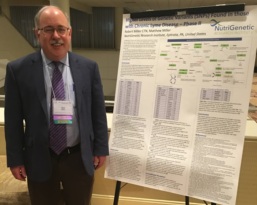
Phase 2 – November 2016
Title:"Discovery of Higher Levels of Genetic Variants (SNPs) in Chronic Lyme Disease Patients"
Presenter:Bob Miller, CTN
Conference:2020 Environmental Toxins and Genomics Mycotoxin Conference (Recording)
Abstract:Analysis of 1,298 genes in 360 chronic Lyme disease patients revealed 65 major gene variants with significantly higher rates compared to the control group. Among these, 40 genes were related to neurotransmitters, with a focus on glutamate, dopamine, and cannabinoid SNPs.
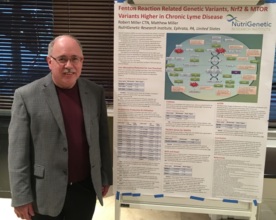
Phase 3 – May 2017
Title:"Discovery of Higher Levels of Genetic Variants (SNPs) in Chronic Lyme Disease Patients"
Presenter:Bob Miller, CTN
Conference:7th European Conference (Paris, France), ILADS
Abstract:Data from 391 participants indicated that genetic variants can lead to increased free radicals, decreased antioxidant protection, difficulty in detoxification, and weakened immunity. Genes associated with elevated iron levels and reduced antioxidant capacity were evaluated, finding a significantly higher proportion of related SNPs in the chronic Lyme disease group compared to the control group.
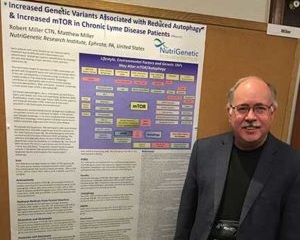
Phase 4 – November 2017
Title:"Increased Genetic Variants Associated with Reduced Autophagy and Increased mTOR in Chronic Lyme Disease Patients"
Presenter:Bob Miller, CTN and Matthew Miller
Conference:18th Annual Scientific Conference (Boston, Massachusetts), ILADS
Abstract:Autophagy supports detoxification by clearing damaged cells and toxins, while elevated mTOR activity inhibits autophagy. Environmental factors (hormones, growth factors, iron, glutamate, insulin, EMF, etc.) and genetic variants can stimulate mTOR. Analysis of 391 patients found more variants in genes that stimulate mTOR and inhibit autophagy.
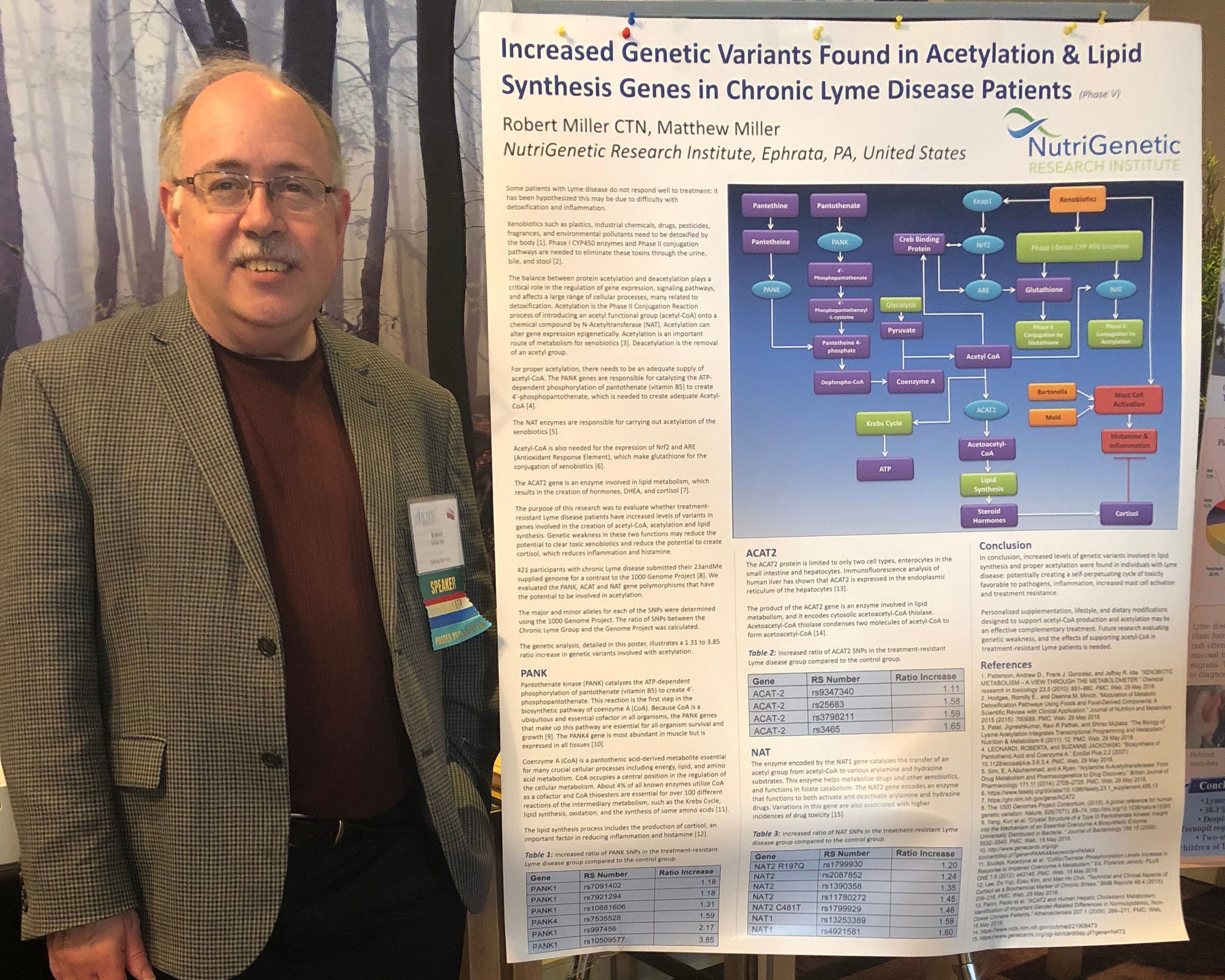
Phase 5 – June 2018
Title:"Increased Genetic Variants Found in Acetylation and Lipid Synthesis Genes in Chronic Lyme Disease Patients"
Presenter:Bob Miller, CTN
Conference:8th European Conference (Warsaw, Poland), ILADS
Abstract:Focus on the acetylation pathway related to detoxification. The balance between acetylation (NAT enzymes) and deacetylation affects gene expression and detoxification. PANK genes influence acetyl-CoA production, and ACAT2 is involved in lipid metabolism. Increased variants in genes related to these pathways were found in patients, potentially affecting toxin clearance and hormone synthesis.
Phase 6 – November 2018 (Award-Winning)
Title:"Increased Genetic Variants Found in Heme Pathway and Mast Cell Genes in Chronic Lyme Disease Patients"
Presenter:Bob Miller, CTN
Conference:2018 Annual Meeting (Chicago, Illinois), ILADS
Abstract:Heme proteins involved in antioxidant protection (bilirubin, SUOX, NOS, NADPH, GSH). Key heme synthesis enzymes (ALAD, CPOX, FECH) and degradation enzyme HMOX were analyzed; mast cell-related genes (KIT, RAD50, HRH1, FCER1A, DARC) were also included. Data from 421 patients showed a significantly elevated rate of genetic variants in these pathway genes.
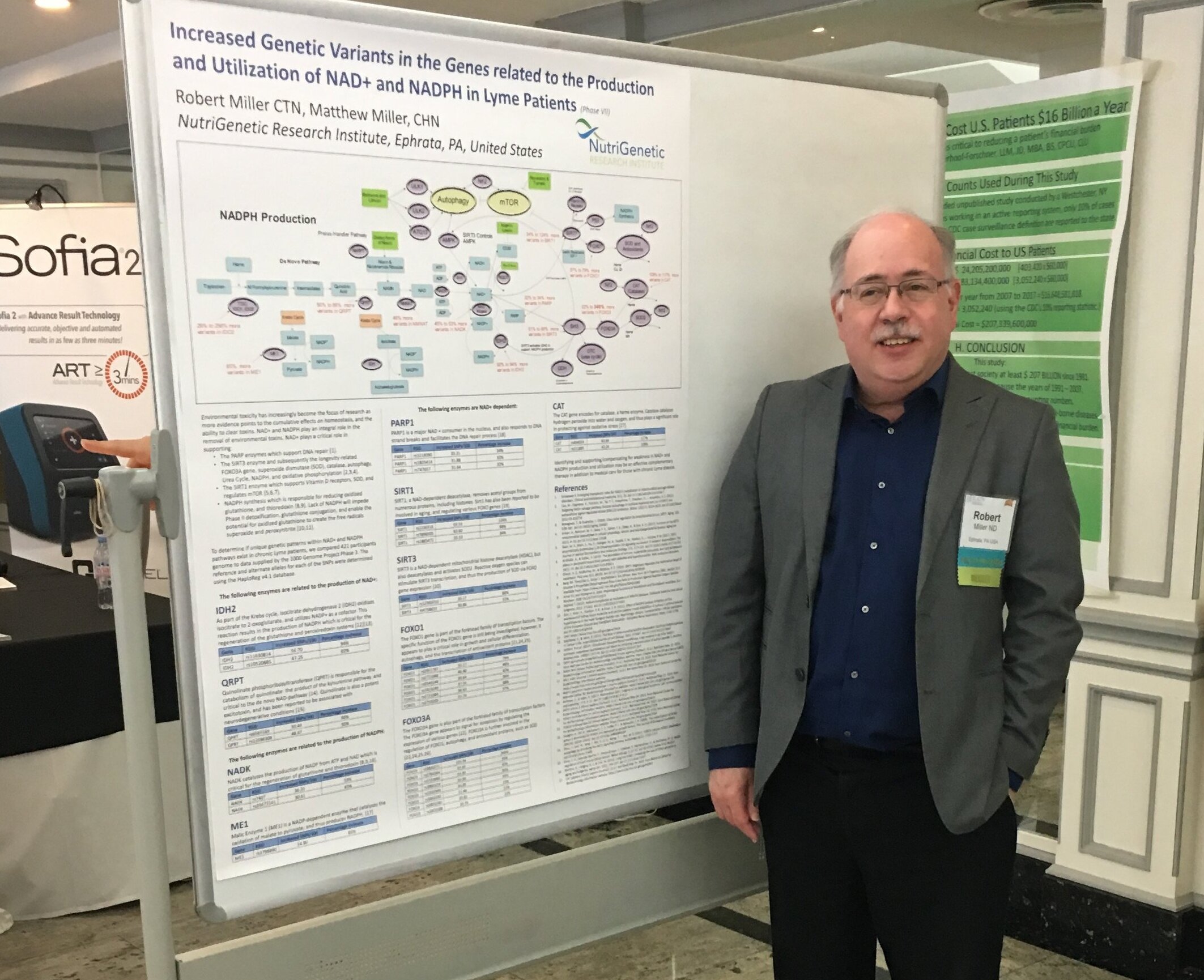
Phase Seven – June 2019
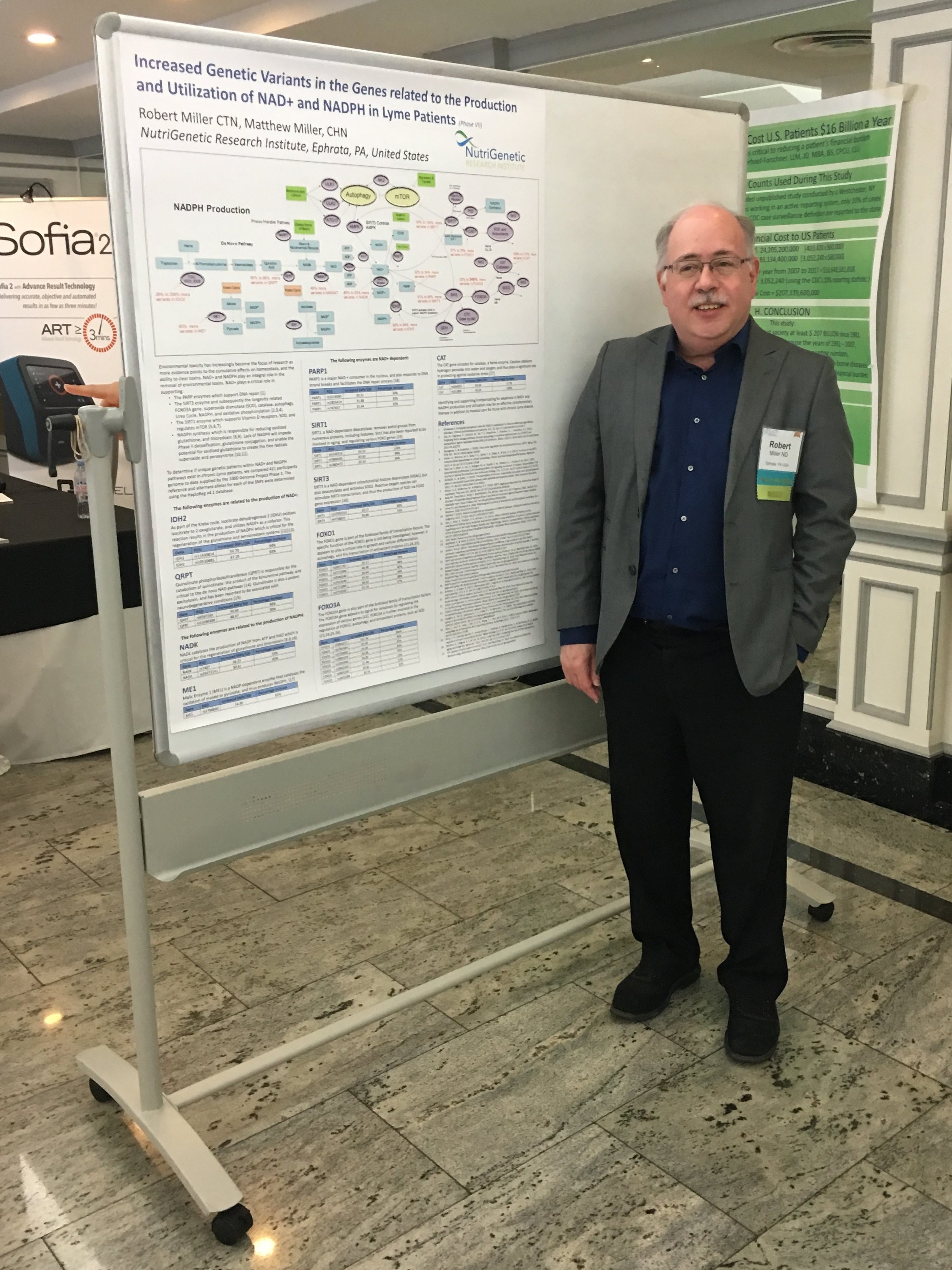
Title:"Increased Genetic Variants Related to NAD+ and NADPH Generation and Utilization in Lyme Disease Patients"
Presenter:Bob Miller, CTN
Conference:8th European Conference (Madrid, Spain), ILADS
Abstract:NAD+ supports PARP (DNA repair), SIRT3 (FOXO3, SOD, catalase, autophagy, urea cycle, NADPH generation) and SIRT1 (vitamin D receptor, SOD, mTOR inhibition). NADPH is responsible for reducing glutathione and thioredoxin and is essential for Phase II detoxification. Analysis of data from 421 patients revealed a significantly higher proportion of SNPs in these pathways.
Phase Eight – 2020
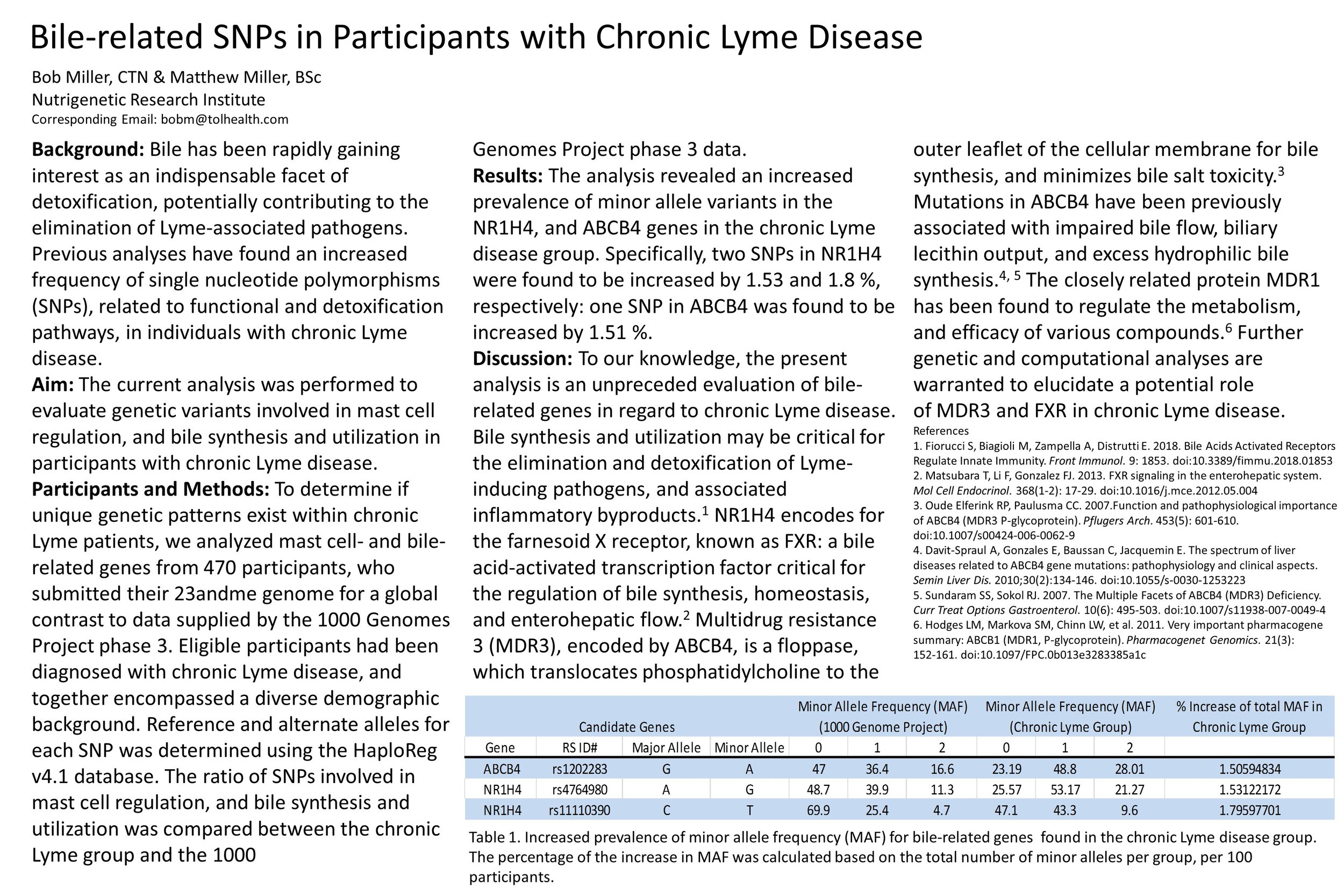
Title:"Increased Genetic Variants in Genes Related to Bile Production in Lyme Disease Patients"
Presenter:Bob Miller, CTN
Conference:Submitted to ILADS (2020)
Abstract:This phase focused on genetic variants in genes related to bile production, potentially involving the clearance of fat-soluble toxins and digestive function.
Key Findings Overview
- Patients with chronic Lyme disease exhibit a higher frequency of single nucleotide polymorphisms (SNPs) in multiple key pathways (methylation, neurotransmitters, autophagy/mTOR, acetylation, heme, NAD+/NADPH, bile production) compared to control groups.
- These genetic variants may lead to:
- Increased oxidative stress
- Reduced detoxification capacity
- Immune dysregulation
- Resistance to conventional treatments
- Compensatory nutritional or epigenetic interventions (e.g., reducing iron load, improving methylation, supporting NAD+ levels, etc.) may provide avenues for personalized adjunctive therapy.
*For more detailed information and original posters, please download via the links provided for each phase.
*Research conducted by the NutriGenetic Research Institute. All data is based on comparisons between volunteer genomes and public databases.