Four-Year Precision Intervention Case for Stubborn Acne Guided by Functional Genomics
Introduction
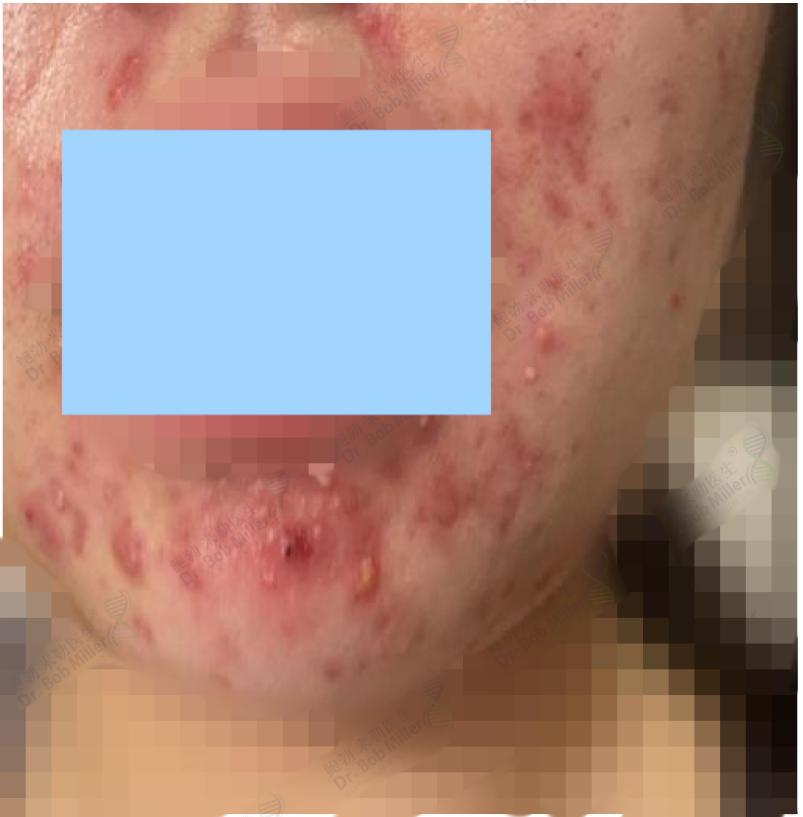
Ms. Huang, 25 years old, has suffered from facial acne for a full 8 years since adolescence. During this period, she visited dermatologists multiple times, trying topical and oral medications, hormonal regulation, and Traditional Chinese Medicine treatments. However, her face still frequently broke out with acne, with red, swollen nodules and pustules appearing one after another. The recurring inflammation made her increasingly lose confidence in the mirror, social interactions, and herself.
The turning point came from a shift in approach—no longer focusing solely on the acne, but instead using functional medicine assessment + comprehensive functional genomics testing to identify root causes across multiple dimensions such as hormone metabolism, gut health, inflammation, detoxification, and antioxidant capacity. Based on this, a phased, individualized precision nutrition plan was formulated:
Adjusting diet and nutritional supplementation according to her genes, repairing the gut in phases, balancing hormones, reducing systemic inflammation, and simultaneously optimizing sleep patterns, stress management, and exercise routines.
Her skin showed continuous and stable improvement:
Red, swollen nodules decreased → new acne became less frequent and smaller → sebum secretion became more balanced → acne marks faded, skin texture became finer.
After 4 years of personalized follow-up guided by functional genomics, no significant recurrence was observed. Both her skin and self-confidence achieved a state of homeostasis.
Basic Information
Name:Ms. Huang
Gender:Female
Age:25 years old
Consultation Date:December 2020
Chief Complaint:Recurrent facial acne (pimples) for 8 years
Present Illness History:For 8 years, facial papules, pustules, and comedones have recurred. She has visited family doctors and dermatology specialists multiple times and has undergone long-term Traditional Chinese Medicine conditioning, with poor efficacy and recurrent symptoms.
Lifestyle and Dietary Habits:
1. Enjoys consuming various processed foods and sweets
2. Poor sleep quality, irregular daily routine
3. High stress, emotional tension
1. Initial Functional Medicine Assessment Approach
For a young woman with 8 years of recurrent acne, beyond considering conventional issues like endocrine function, sebum secretion, and follicular keratinization, greater concern lies in whether underlying factors exist, such as:
Hormonal imbalance (especially elevated androgen activity)
Gut microbiota imbalance and chronic inflammation
Weak antioxidant and detoxification capacity
Diet-related food sensitivities
Chronic stress and sleep issues
Therefore, functional medicine testing was arranged for her, followed by the addition of functional genomics testing.
2. Functional Medicine Test Results and Analysis
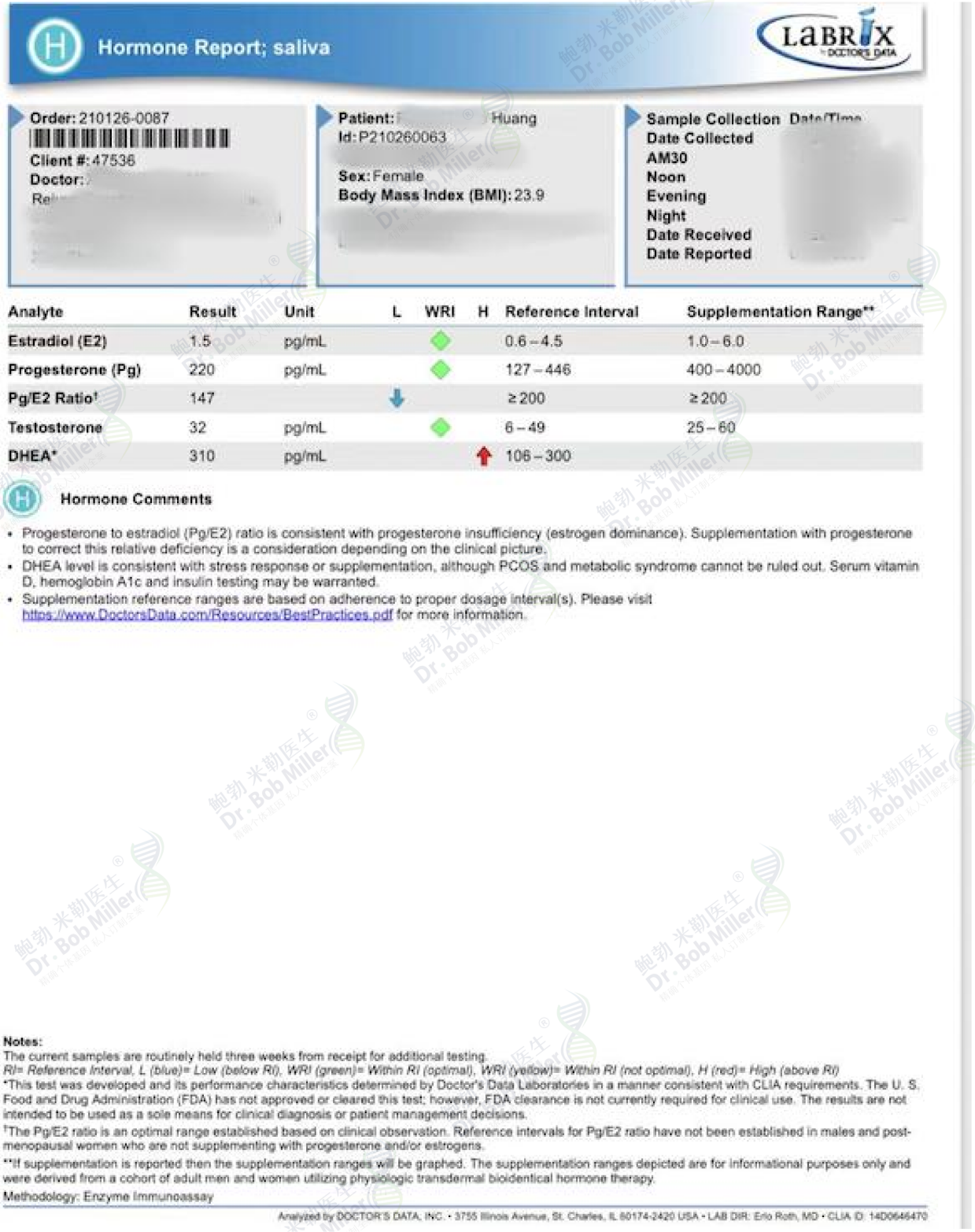
1. Hormones and the HPA Axis
Elevated DHEA, suggesting increased androgen activity → increased sebum production, prone to acne
The adrenal axis is in a "stress-activated state".
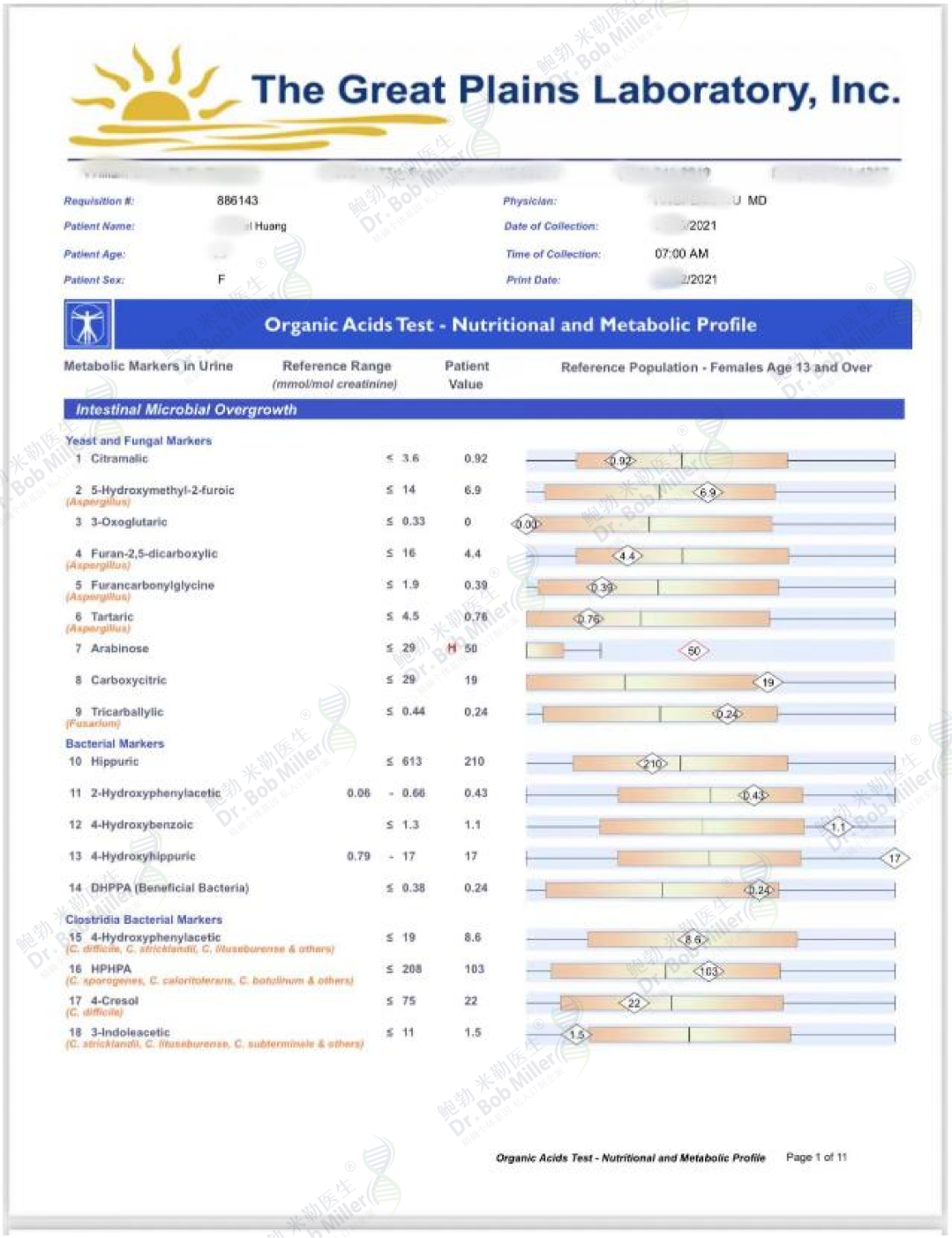
2. Gut Microbiome/Organic Acids
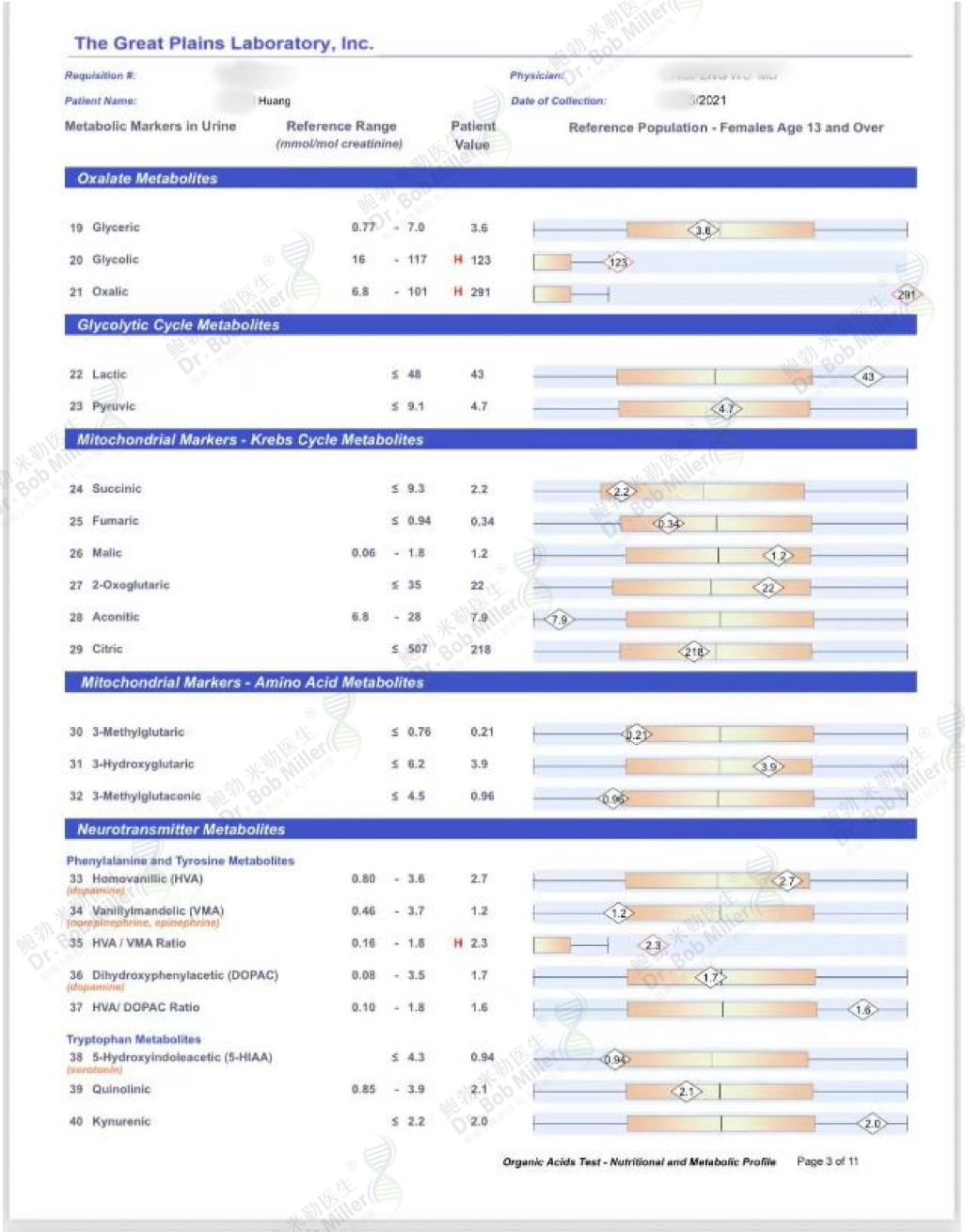
Regarding the gut: Fungal/yeast metabolites and some bacterial metabolites are elevated, suggesting possible gut dysbiosis and Candida-like fungal overgrowth.
Oxalate is significantly elevated, indicating a high oxalate load, which may affect the kidneys, joints, etc., requiring attention to diet and gut health.
Energy metabolism (glycolysis, Krebs cycle) is generally acceptable, with no widespread severe abnormalities.
Among neurotransmitter metabolites, the HVA/VMA ratio is elevated, suggesting a slight shift in the balance between dopamine and norepinephrine/epinephrine towards dopamine, which may be related to mood/attention/stress response.
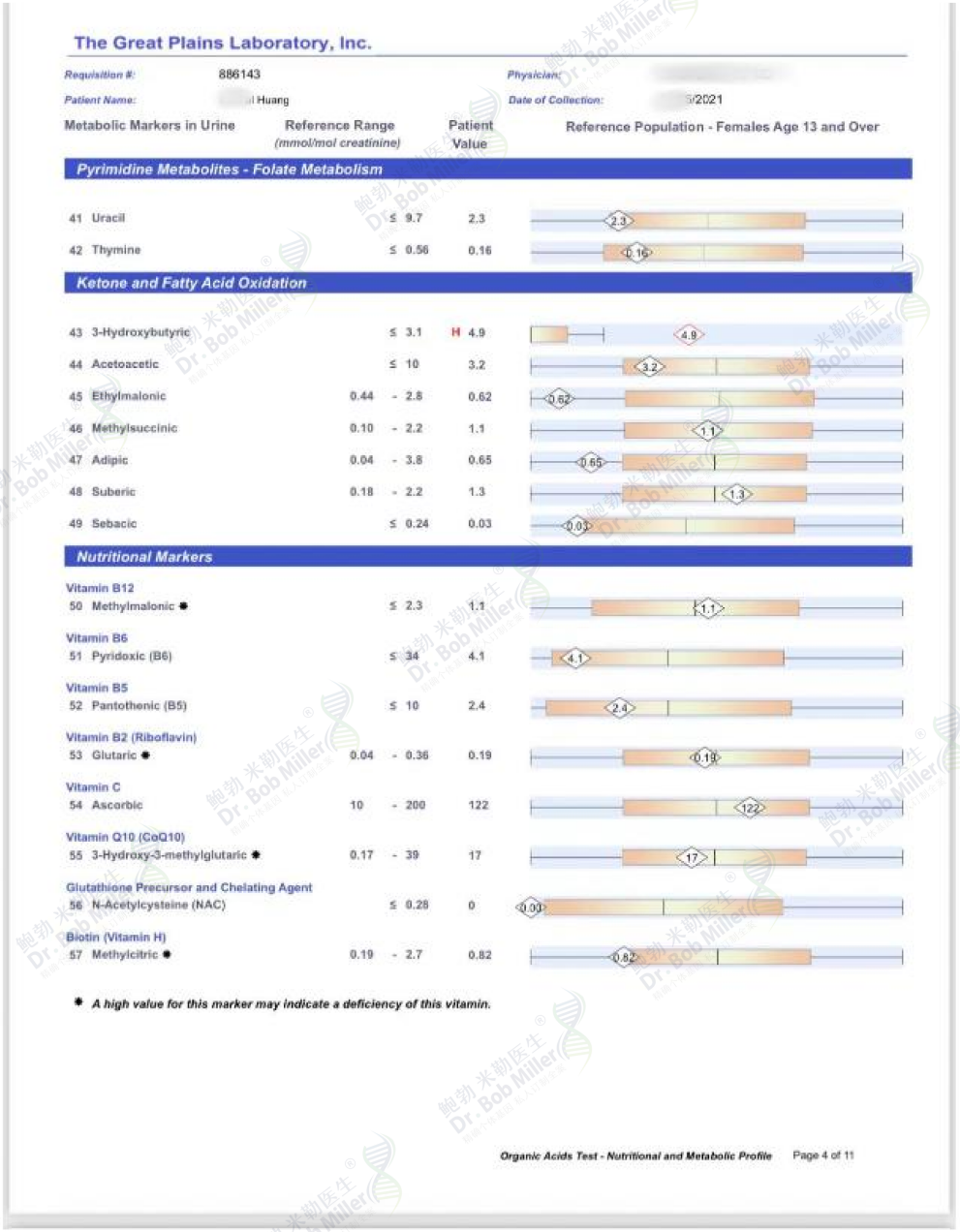
Vitamin-related metabolites are overall within normal or near-normal ranges, with no clear signals of severe deficiency in any single vitamin.
3. Nutritional & Antioxidant Status/Food Intolerances
B vitamin-related metabolites indicate mild insufficiency.
The antioxidant system is not ideal.
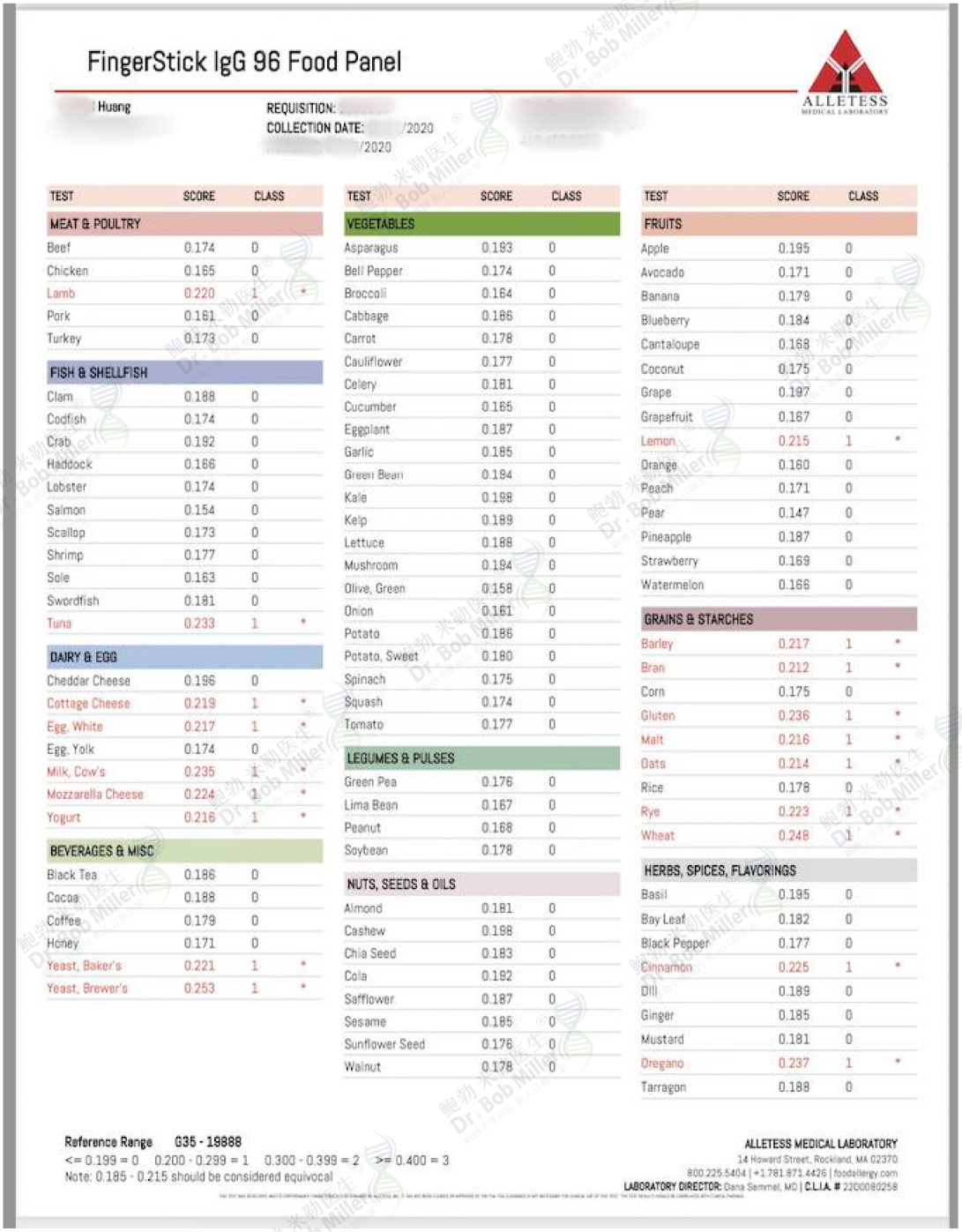
IgG food intolerances: High reactivity to dairy, eggs, etc.
3. Intervention Based on Functional Medicine Testing & Stage Effects
Key Intervention Focuses
Gut Microbiome:5R gut protocol (Remove, Replace, Reinoculate, Repair, Rebalance), suppress fungi/harmful bacteria, support probiotics.
Metabolism & Nutrition:Supplement B vitamins, antioxidants, support glutathione pathways.
Dietary Management:Avoid high IgG-reactive foods; reduce dairy intake; choose low-GI diet.
Lifestyle:Improve sleep; reduce stress, regulate adrenal function.
First Stage Effects
Intervention Period:December 2020 – May 2021
Patient's Subjective Experience:Overall condition improved somewhat, but new, larger acne lesions continued to appear, showing a recurrent pattern.
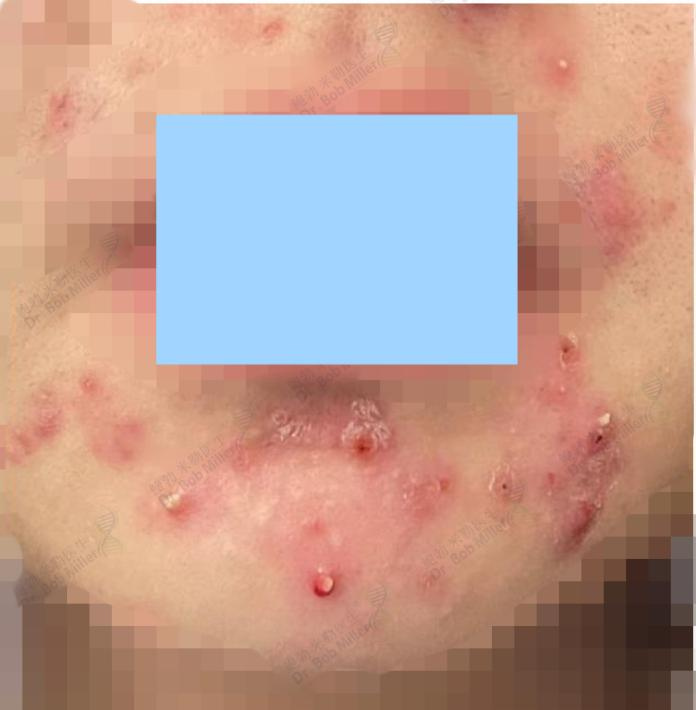
Clinical Reflection:This indicates that conventional functional medicine interventions have improved the overall environment, but deeper underlying drivers may still not be identified.
Due to suspicion of deeper mechanisms behind the stubborn, recurrent acne, we added the Bob Miller Doctor Program's functional gene testing for her in May 2021.
4. Bob Miller Doctor Functional Gene Testing: Key Findings
1. Inflammatory Pathways
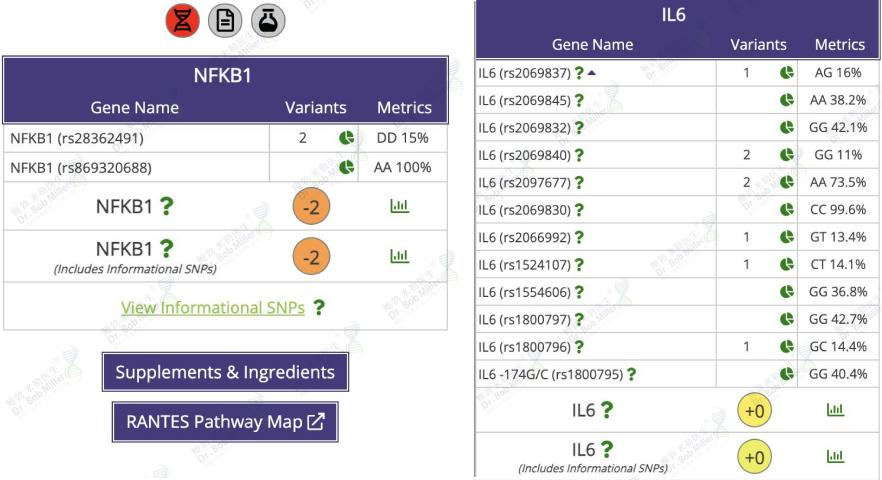
NF-κB: The inflammation "master switch"
Activated by Cutibacterium acnes, oxidative stress, free fatty acids, etc. Once activated, it enters the nucleus and initiates the expression of numerous inflammatory cytokines (e.g., TNF-α, IL-1β, IL-6, IL-8).
IL-6: A key inflammatory cytokine
Its expression is significantly elevated in pustular and nodular acne lesions, promoting Th17 differentiation, further stimulating IL-17 and IL-22, exacerbating perifollicular inflammation, and also enhancing androgen receptor sensitivity → leading to more active sebaceous gland secretion.
2. Antioxidant and Energy Metabolism
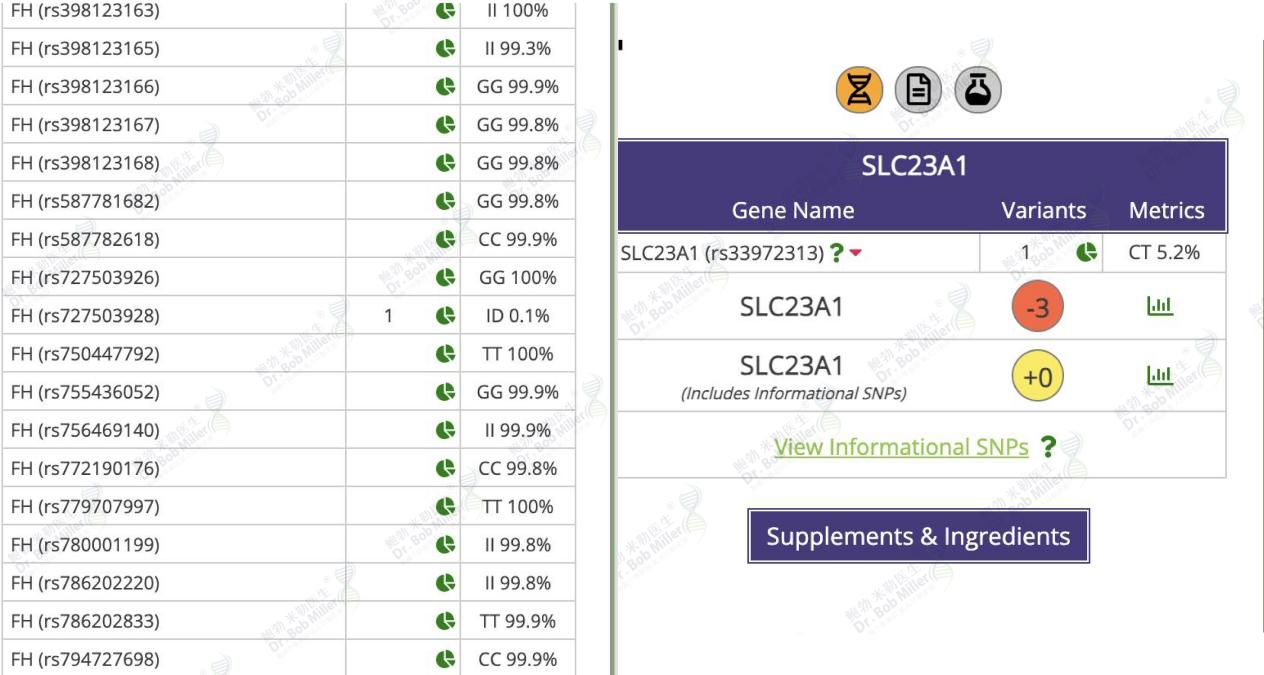
Weaknesses in FH and glutathione-related genes → easier accumulation of free radicals
Variation in the vitamin C transporter gene SLC23A1 → relatively weak antioxidant and collagen repair capabilities
3. Fatty Acid Metabolism
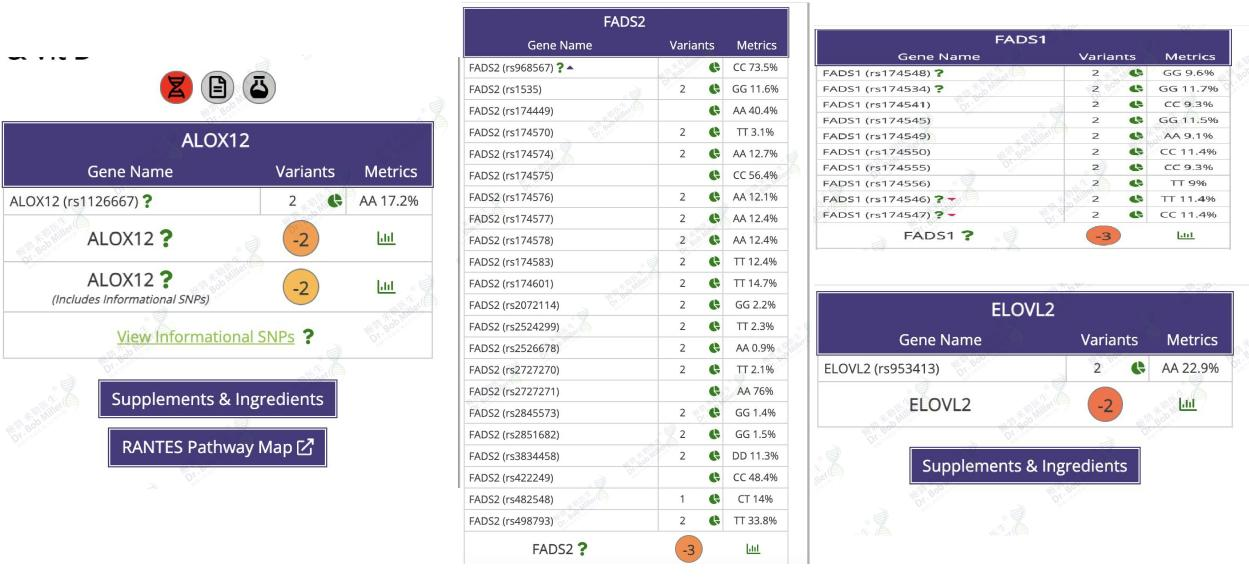
ALOX12 AA genotype, elevated pro-inflammatory lipid 12-HETE → increased inflammation + increased sebum secretion + slower barrier repair
Low activity of FADS1/FADS2 and ELOVL2, insufficient synthesis of ω-3 PUFAs and DHA → reduced anti-inflammatory lipids → lack of "termination signals" for inflammation
4. Vitamin D Metabolism
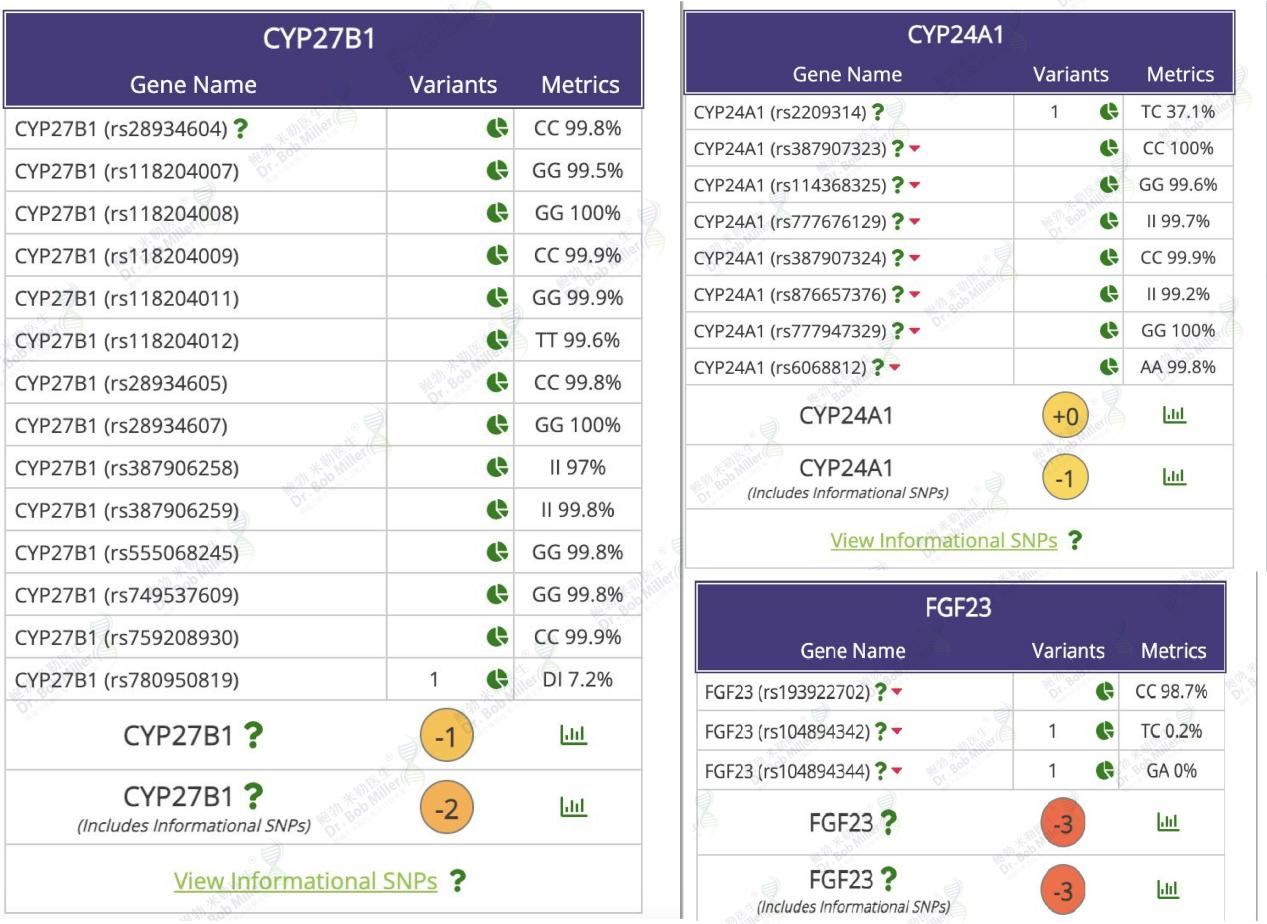
Functional deficiency of active vitamin D due to CYP27B1/CYP24A1/FGF23 → decreased antimicrobial peptides, poor control of IL-6/IL-17/TNF-α
5. Energy Metabolism
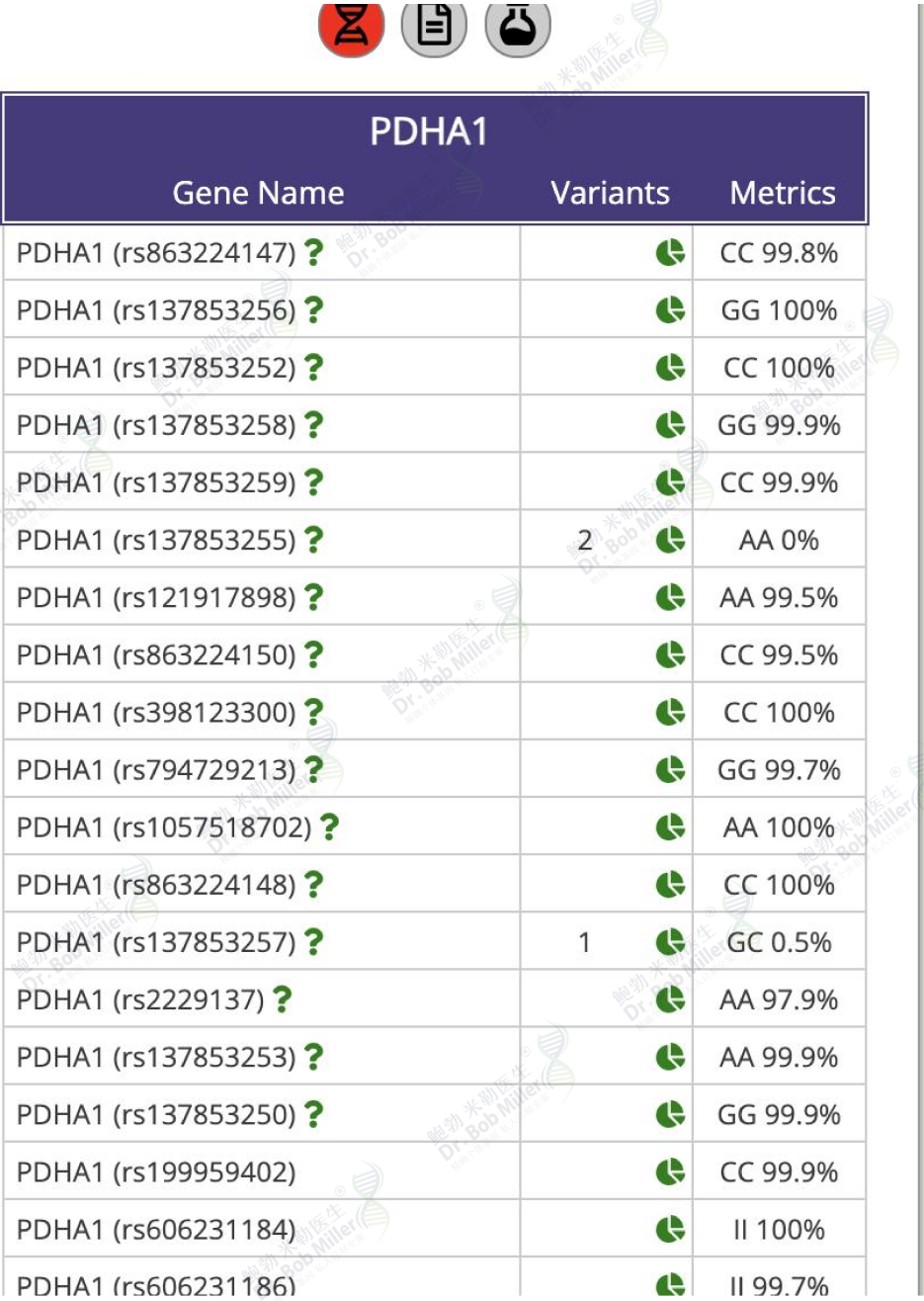
Weak PDHA1 (pyruvate dehydrogenase) → insufficient mitochondrial energy, increased ROS, compounded by high sugar/high insulin resistance, worsening acne
5. Precision Intervention Based on Dr. Bob Miller's Functional Genetics
1. Inflammatory Pathway (High Risk for NF-κB/IL-6)
Issue:The master inflammatory switch is easily activated and amplified more severely.
Focus of Intervention:
Diet:Reduce high-sugar, high-refined carbohydrate, and trans-fat intake.
Nutrition:Use evidence-supported anti-inflammatory nutrient combinations, such as curcumin, quercetin, polyphenols, fish oil containing EPA, etc.
2. Antioxidant and Repair (FH, Glutathione, Vitamin C Transport)
Issue:The body's own antioxidant system is relatively strained, and vitamin C utilization efficiency is not ideal.
Focus of Intervention:
Enhance the Nrf2-glutathione pathway
through nutritional support with sulfur-containing amino acids, NAC, alpha-lipoic acid, etc.
Vitamin C support, using vitamin C forms with better absorption, combined with bioflavonoids (such as hesperidin, rutin, etc.).
3. Fatty Acid and 12-LOX Pathway (ALOX12, FADS/ELOVL2)
Issue:Fatty acids are more likely to be metabolized into pro-inflammatory rather than anti-inflammatory pathways.
Focus of Intervention:
Diet:Significantly reduce excessive ω-6 sources: refined vegetable oils, fried foods, some processed snacks.
Supplement:Increase intake of EPA/DHA, especially high DHA, such as using fish oil with a high DHA ratio.
When necessary:Combine with plant-based alpha-linolenic acid sources like flaxseed oil to improve the overall fatty acid profile.
4. Vitamin D & Energy Metabolism (CYP27B1/CYP24A1/FGF23, PDHA1)
Issue:Suboptimal balance of vitamin D activation and degradation → functional vitamin D deficiency; inefficient energy metabolism → mitochondria are more prone to fatigue.
Focus of Intervention:
Personalized supplementation of Vitamin D3
Simultaneously combine with magnesium and vitamin K2 to help it better exert its immunomodulatory and bone metabolism functions in the body.
Diet and Lifestyle:Control intake of refined sugars and high-GI foods; increase regular exercise to improve insulin sensitivity.
Mitochondrial Nutritional Support:B vitamins, alpha-lipoic acid, L-carnitine, etc.
6. Follow-up and Efficacy
She began using the customized PN intervention plan in June 2021. After 3 months of continuous use, her skin condition had largely returned to normal, with only a small amount of acne scarring remaining in the gradual fading and repair process.
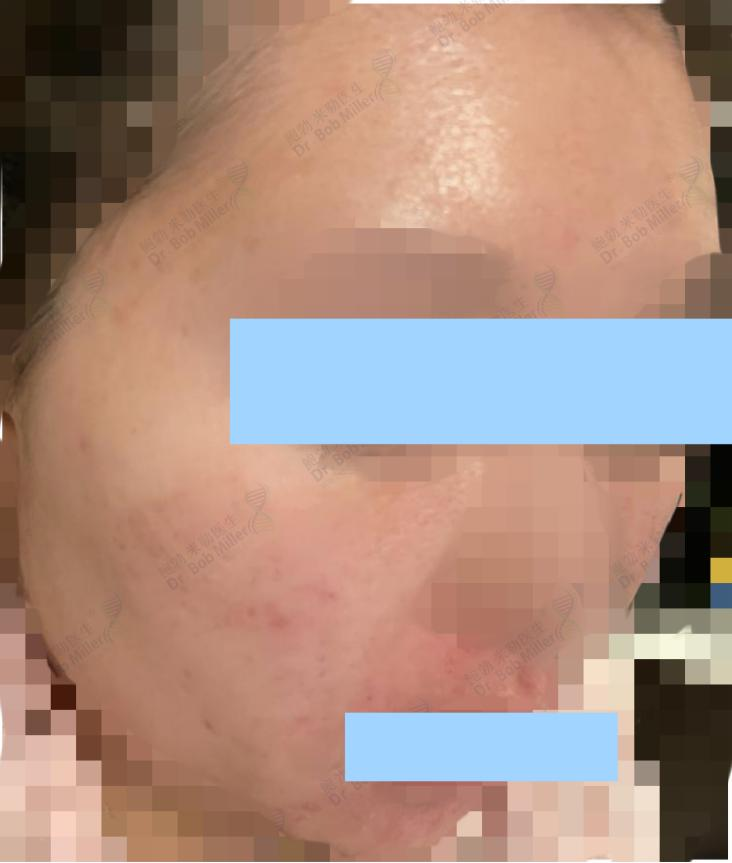
She continued taking the PN personalized products until the end of 2023. During this time, she made significant adjustments to her diet, sleep schedule, and stress management. Regular exercise and sleep quality improved markedly, and her subjective sense of stress was significantly alleviated. After 4 years of follow-up, there has been no recurrence of acne, and her skin and overall condition have remained stable and good.
7. Case Summary and Value
After completing the four-year intervention follow-up, this case focuses on mechanism analysis and program value: acne had significantly improved and stabilized within approximately 3 months of implementing personalized nutrition intervention. Subsequent continuous follow-up further consolidated the therapeutic effect and facilitated deep repair at the pathway level, fully demonstrating the core role and replicability of individualized intervention in managing stubborn acne.
I. Gene Pathway-Guided Personalized Nutrition Plan
Functional genes and functional testing translate "constitutional differences" into specific pathways, moving the plan from experience-based to precision-based:
Focusing on the NF-κB / IL-6 inflammatory pathway as the core, combined with Omega-3, plant polyphenols, and vitamin D for systemic inflammation control;
Centering on glutathione-Nrf2 and vitamin C utilization, enhancing antioxidant capacity and barrier repair to promote the recovery of acne scars and pigmentation;
Addressing fatty acid metabolism risks related to genes like ALOX12/FADS/ELOVL2, adjusting diet and supplementing with high DHA/EPA to optimize sebum composition and viscosity, weakening the survival environment for Cutibacterium acnes;
Combining vitamin D and energy metabolism genes to precisely set vitamin D dosage and incorporate mitochondrial nutrition, balancing immune function and stress resistance.
On this foundation, even the same nutrients—their dosage, combination, and timing—are closely tailored to individual metabolic characteristics, truly achieving precise individualization.
II. Program Value: Precision Functional Medicine Management for Stubborn Acne
This case demonstrates the multiple values of "genetic testing + individualized nutrition + phased lifestyle intervention":
1. Upgraded Treatment Goals— Shifting from simply "suppressing acne" to reshaping the inflammatory, metabolic, and hormonal environment, reducing long-term medication dependence, and using a stable internal environment to support non-recurrence.
2. From Skin to Overall Health— The patient transitioned from focusing solely on appearance to actively participating in diet, sleep, and exercise management. While skin improved, overall states such as mood and energy levels also enhanced simultaneously.
3. A New Pathway for Chronic Skin-Metabolic Issues— For individuals with a family history or genetic predisposition, genetic risk identification can be performed first, followed by precision nutrition intervention, with lifestyle measures to consolidate the effects. This model is also applicable to conditions like rosacea and seborrheic dermatitis, providing a template for institutions to establish standardized, scalable precision nutrition programs.
8. Conclusion
Without relying on long-term medication, this case achieved stable control of stubborn acne and deep repair of key pathways through four years of systematic PN customized nutrition intervention. It validates the significant value of "gene-guided + functional testing + precision nutrition" in chronic inflammatory skin diseases, providing a replicable model for the clinical practice of functional medicine in the dermatology field.
Core Value of the Case:After four years of functional gene-guided personalized follow-up, no significant recurrence was observed, and both skin and self-confidence achieved homeostasis. Through "genetic testing + individualized nutrition + phased lifestyle intervention," the treatment goals were upgraded from simply "suppressing acne" to reshaping the inflammatory, metabolic, and hormonal environment.